





They thought the worst was over.
Their child completed treatment. Detoxed. Stabilized. Maybe even came home for a bit. But things still felt shaky. Conversations were tense. Nights were long. The fear never really left.
If you’re the parent of a young adult in recovery, you’ve probably found yourself asking: Now what? Where will they go? Will they be safe? Will this time be different?
At Team Recovery’s sober living in Toledo, Ohio, we hear these questions every day—and we honor them. Because you’re not just dropping your child off at a house. You’re making one of the most emotionally loaded decisions of your life.
Here’s what most families don’t expect about sober living—but end up incredibly grateful to discover.
It’s Not Just a Bed—It’s a Buffer Zone
Sober living homes are often misunderstood as “halfway points” between treatment and total independence. That’s not wrong—but it’s not the whole picture.
Think of it more like a pressure valve—a place where your loved one can slowly re-enter the real world without being dropped into it all at once.
Here, recovery isn’t just theory. It’s lived out in laundry rooms, job interviews, awkward roommate conversations, and sober weekend plans. And it happens with support on-site, not just from a phone call away.
For parents, this buffer offers more than time—it offers relief. A way to step back without stepping away entirely.
The Rules Aren’t Punishment—They’re Anchors
Curfews. House meetings. Random drug screens. Chores. For a young adult who’s used to chaos, those things might sound like handcuffs.
But in reality? They’re lifelines.
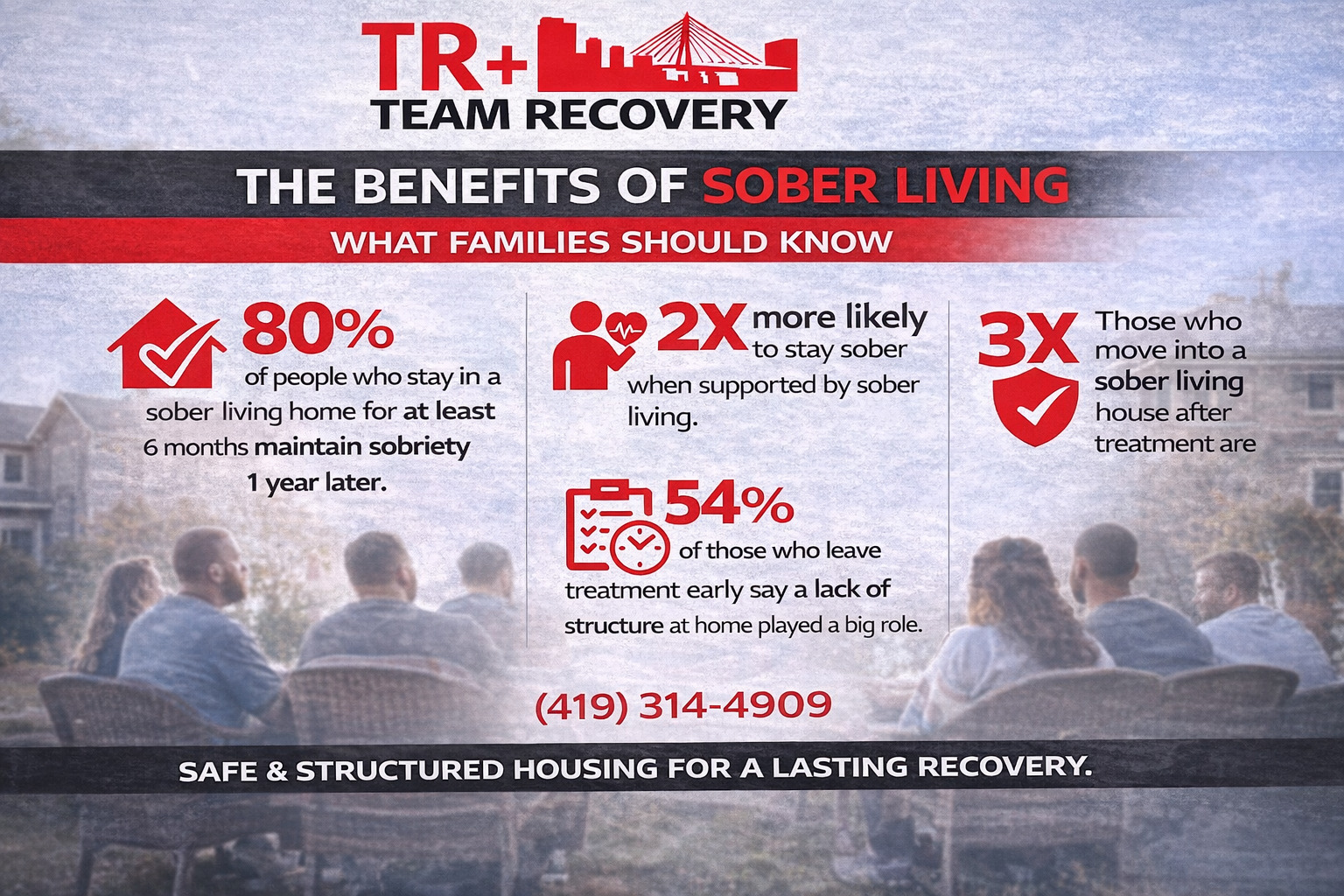
Structure isn’t there to control them. It’s there to rebuild internal rhythms—wake, eat, clean, reflect, connect, rest. These rhythms are often the first to disappear during active use. Sober living restores them slowly, without shame.
And here’s what surprises many parents: their child often resists the rules at first—but over time, they start to cling to them. Because deep down, structure feels safe. And safety is the soil recovery grows in.
The Community Becomes Its Own Medicine
One of the most unexpected benefits of sober living? The peer support.
In many ways, housemates become the first “recovery family” your child chooses. They’re not licensed therapists, but they get it—the struggle, the cravings, the boredom, the loneliness.
This peer-to-peer accountability can do something formal therapy alone often can’t: cut through the isolation.
Many residents build friendships that last long after they leave. And for parents, knowing their child is no longer facing sobriety alone brings a kind of peace that’s hard to describe—but easy to feel.
Relapse Is Addressed—Not Ignored or Shamed
Let’s talk about something most people are scared to say out loud:
Relapse can happen. Even in sober living. Even with structure. Even with support.
But here’s what’s different: in a well-run sober living home like ours, relapse isn’t a secret. It’s not something hidden until it becomes a crisis.
Residents are held accountable with compassion. If a slip occurs, we don’t kick them to the curb—we respond with clarity, care, and a return to support.
That might mean re-engaging with outpatient services, increasing check-ins, or revisiting treatment depending on the situation. The goal is always the same: staying connected to recovery, even when it gets messy.
It’s Where Real-Life Recovery Gets Built
In treatment, recovery is protected. In sober living, recovery is practiced.
That means:
- Learning how to go to work sober
- Handling a bad day without using
- Grocery shopping, budgeting, cooking
- Sitting in discomfort instead of numbing it
- Celebrating a small win without spiraling
Parents often say, “They seem more like themselves than they have in years.” That’s because sober living helps people rebuild not just sobriety, but self-respect.
Parents Still Matter—Just in a Different Way
You don’t get benched once your child moves into sober living. But your role does shift.
Instead of managing their safety minute to minute, you get space to:
- Focus on your own healing
- Relearn how to relate without rescuing
- Set boundaries without guilt
- Support without micromanaging
We encourage families to stay involved—but in ways that promote healthy independence. And when family therapy or communication help is needed, we’re here to guide that too.
Why Families in Toledo Trust This Step
Choosing sober living in Toledo, Ohio is not about giving up control—it’s about creating a bridge.
At Team Recovery, our homes aren’t clinical. They’re real homes—maintained with care, filled with people who want recovery to work. Each resident is supported by our team, connected to community resources, and guided through the rocky moments with dignity and patience.
The road ahead isn’t linear. But this step? It’s often the difference between staying sober and staying stuck.
FAQ: What Families Want to Know About Sober Living in Toledo, Ohio
What’s the difference between sober living and treatment?
Treatment is focused on clinical stabilization—detox, therapy, structured groups. Sober living is the next phase: practicing those skills in daily life while still having accountability and support.
How long do people stay in sober living?
There’s no one-size answer. Some stay 3 months, others 6–12. The goal is readiness—not just time. We work with each resident to plan what comes next when they’re truly prepared.
Can my child work or go to school while living there?
Yes, and we encourage it. Residents are expected to work, volunteer, or attend school as part of their recovery plan. We help them build routines that support long-term success.
What happens if someone relapses?
We take relapse seriously—but compassionately. Our response depends on the situation. In many cases, a brief return to outpatient treatment or increased support is enough. We never abandon someone for slipping.
Are there therapy services in the house?
Sober living isn’t treatment, but we can connect residents to therapy, IOP, or other services as needed. Many continue clinical care while in the home.
Is this only for people just out of rehab?
Not at all. Sober living is helpful for anyone who wants structure, support, and accountability while maintaining sobriety—whether it’s their first time or fifth attempt.
You’re Not Dropping Them Off—You’re Stepping Them Forward
We know this step feels huge. Maybe even heartbreaking. But it’s also incredibly hopeful.
Because sober living isn’t the end of your role—it’s a new chapter in how you love, support, and believe in your child.
At Team Recovery, we walk with families every step of the way. Our sober living in Toledo, Ohio isn’t just about sobriety—it’s about dignity, connection, and a real chance at change.
📞 Call (419) 314 4909 or visit to learn more about how we can help your family find solid ground again.

