Home » Substances » Opioid Treatment Program » Heroin Addiction Treatment
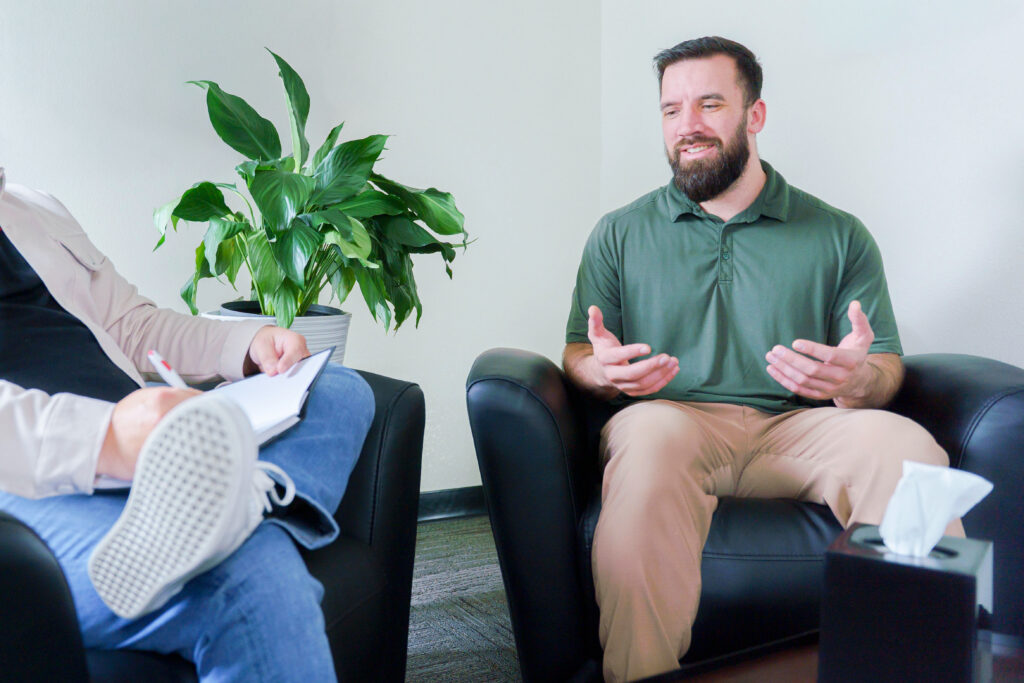
Heroin addiction is not a failure of willpower or character. It is a medical condition that changes how the brain and body function, often in ways that make stopping feel impossible without help.
At Team Recovery, we treat heroin addiction as part of our broader approach to opioid addiction treatment, with clarity, compassion, and evidence-based care. Our focus is not punishment or quick fixes, but safety, stabilization, and long-term support that helps people regain control of their lives. Whether heroin use began years ago or more recently, effective treatment is available and it can be done with dignity.
If heroin use no longer feels safe or manageable, a conversation can help. Our team can answer questions and explain treatment options focused on safety, stabilization, and support.
Heroin addiction is a form of opioid use disorder. It develops when repeated heroin use alters the brain’s reward, motivation, and stress systems, making it difficult to function normally without the drug.
Over time, the brain becomes dependent on heroin to regulate pain, mood, and basic comfort. When heroin is absent, withdrawal symptoms emerge, not because someone is weak, but because the nervous system has adapted.
Key Facts About Heroin Addiction Treatment |
|---|
|
Physical dependence means the body has adjusted to heroin. Stopping or reducing use leads to withdrawal symptoms such as nausea, muscle pain, sweating, anxiety, and intense cravings.
Psychological dependence involves powerful mental and emotional patterns, including compulsive use, fear of withdrawal, and using heroin to cope with stress, trauma, or emotional pain.
Together, these forces explain why quitting heroin “cold turkey” rarely works, and why willpower alone is not enough. Effective treatment must address both the body and the brain.
Heroin addiction treatment works best when it combines medical care with therapeutic support. This integrated approach stabilizes the body first, then helps change the patterns that keep people stuck in cycles of use and relapse.
Medication-assisted treatment is the gold standard for heroin addiction. It is evidence-based, widely endorsed by medical authorities, and proven to reduce overdose risk.
MAT medications include:
A long-acting opioid medication that prevents withdrawal and reduces cravings. Methadone is often recommended for individuals with long-term or severe heroin use and is taken daily under medical supervision.
A partial opioid agonist that relieves withdrawal symptoms and cravings without producing the same high as heroin. Buprenorphine allows many people to stabilize while living at home and participating in outpatient care.
A non-opioid medication that blocks the effects of heroin. It is typically used after detox and may be appropriate for individuals who can maintain abstinence during the induction period.
MAT is not “replacing one drug with another.” These medications stabilize brain chemistry, reduce cravings, and dramatically lower the risk of fatal overdose, giving people the space they need to focus on healing.
Medication stabilizes the body. Therapy helps change the patterns.
Therapeutic approaches may include:
Therapy addresses the emotional, psychological, and behavioral aspects of heroin use, helping individuals build coping skills, process trauma, and develop healthier ways to manage stress and cravings.
Detox and treatment are often confused, but they are not the same.
Detox focuses on managing withdrawal symptoms as heroin leaves the body. While medically important, detox alone does not address cravings, brain changes, or relapse risk.
Maintenance treatment, typically through MAT, continues after detox and helps stabilize brain chemistry over time. This ongoing support significantly reduces the risk of relapse and overdose.
Many people become trapped in a cycle of relapse → detox → relapse. This happens because detox lowers tolerance, making subsequent heroin use far more dangerous. Maintenance treatment helps break this cycle by supporting long-term stability rather than short-term abstinence alone.
Heroin withdrawal can begin within hours of the last dose and may include:
While heroin withdrawal is rarely life-threatening on its own, it is extremely uncomfortable and often leads people back to use just to stop the pain. Medical detox provides supervision, symptom relief, and a safer transition into ongoing care.
Importantly, detox is only the first step. What happens next is what determines long-term outcomes.
If you’re unsure what type of care is appropriate — detox, medication-assisted treatment, or ongoing support — our team can help clarify options and next steps in a calm, confidential conversation.
There is no single “right” level of care for everyone. Effective treatment matches intensity to individual need.
Team Recovery offers a full continuum of care, allowing treatment to evolve as needs change.
Recovery does not end when detox or a structured program is completed. Long-term stability is supported through:
Heroin addiction recovery is not a finish line — it is a process of building a life that feels sustainable, supported, and worth protecting.
Heroin changes brain chemistry in ways that drive compulsive use. Add to that:
Relapse does not mean someone has failed. It means the brain and nervous system were overwhelmed. Treatment works by reducing that overwhelm — not by blaming the person experiencing it.
It may be time to seek support if heroin use has begun to feel less like a choice and more like a necessity. Signs include:
Seeking help is not giving up. It’s taking control.
Evidence-based care combines medication-assisted treatment with therapy and ongoing support.
In most cases, no. Detoxing alone increases relapse and overdose risk.
Treatment length varies. Recovery is not linear, and support may be needed long-term.
No. These medications stabilize the brain and reduce harm, allowing people to rebuild their lives.
Relapse is common and treatable. It signals the need for adjustments in care, not punishment.
If heroin use no longer feels safe or manageable, you don’t have to face it alone. Team Recovery provides compassionate, evidence-based care designed to prioritize safety, reduce risk, and support long-term stability with dignity and respect.
Our heroin addiction treatment center is located at 5217 Monroe St, Toledo, OH 43623
Directions to Team Recovery Heroin Addiction Treatment Center
From I-475
From US-23
From Downtown Toledo
Call today to speak with our admissions team, verify insurance, or ask questions. Safe, effective heroin addiction treatment starts with a conversation.