





It wasn’t a dramatic night.
No slammed doors. No calls from anyone. No moment that would make sense in a story.
Just quiet.
And somehow, that made it harder to ignore.
I had already been through detox support before. I knew what stopping felt like. I knew what clarity felt like. I knew what it took to get there.
Which is exactly why I didn’t want to admit what was happening.
Because this time… I didn’t have the excuse of not knowing.
It Didn’t Feel Like a Relapse—At First
It started the way it usually does.
Quietly.
Nothing that looked like a full collapse.
Just small decisions that didn’t feel like decisions in the moment.
Something here. Something there.
I told myself:
- This isn’t like before
- I’m more aware now
- I can pull this back whenever I want
And for a while, that felt true.
Because I wasn’t completely gone.
I was still functioning.
Still showing up in certain ways.
Still convincing enough… even to myself.
The Slow Drift Back
Looking back, it wasn’t one moment.
It was a drift.
Subtle enough that I didn’t feel it happening.
But steady enough that it kept pulling me further away from where I had been.
Things I used to notice, I ignored.
Things I used to be honest about, I minimized.
And the biggest shift?
I stopped talking about it.
That’s usually where things turn.
Not when things get worse.
When they get quieter.
The Justifications Felt Reasonable
That’s the dangerous part.
Nothing I told myself sounded extreme.
It sounded logical.
- I just need to reset my routine
- I don’t need help—I just need discipline
- I’ve already done this once
That last one hit the hardest.
Because it made asking for help feel unnecessary.
Like I should already have what it takes.
But knowing something and applying it are not the same thing.
And I was starting to feel that gap widen.
The Night Everything Slowed Down
There was no breaking point.
Just a night where everything got quiet enough that I couldn’t distract myself anymore.
No noise.
No movement.
No one else around.
Just me… and the version of the truth I’d been avoiding.
And it landed differently than I expected.
Not like panic.
More like clarity.
A sentence I didn’t want to say—but couldn’t ignore:
This isn’t under control anymore.
Not dramatic.
But undeniable.
The Shame Came First
Before anything else—before action, before decisions—came shame.
Not just because I slipped.
But because I had been here before.
I knew what this looked like.
I knew where it could go.
And I still let it happen.
That thought kept looping:
You should’ve known better.
And that’s the part that almost kept me stuck.
Because shame doesn’t move you forward.
It convinces you to stay hidden.
The Thought I Tried to Push Away
Underneath everything, there was one thought I didn’t want to fully admit:
I might need help again.
Not a reset.
Not a small adjustment.
Actual support.
The kind that meant stepping out of my routine.
The kind that meant saying:
I can’t do this the same way again.
That felt heavy.
Because it came with questions I didn’t have answers for:
- What will people think?
- Did I just undo everything?
- Am I back at the beginning?
The Shift That Actually Mattered
It wasn’t the decision to get help.
It was the moment I stopped arguing with reality.
When I stopped minimizing.
When I stopped telling myself I could quietly fix it.
There’s a difference between slipping…
And staying there.
And that night, I realized I had crossed into staying.
That realization didn’t fix anything.
But it made something possible again.
Honesty.
It Felt Like Starting Over—Even If It Wasn’t
This is the part people don’t explain well.
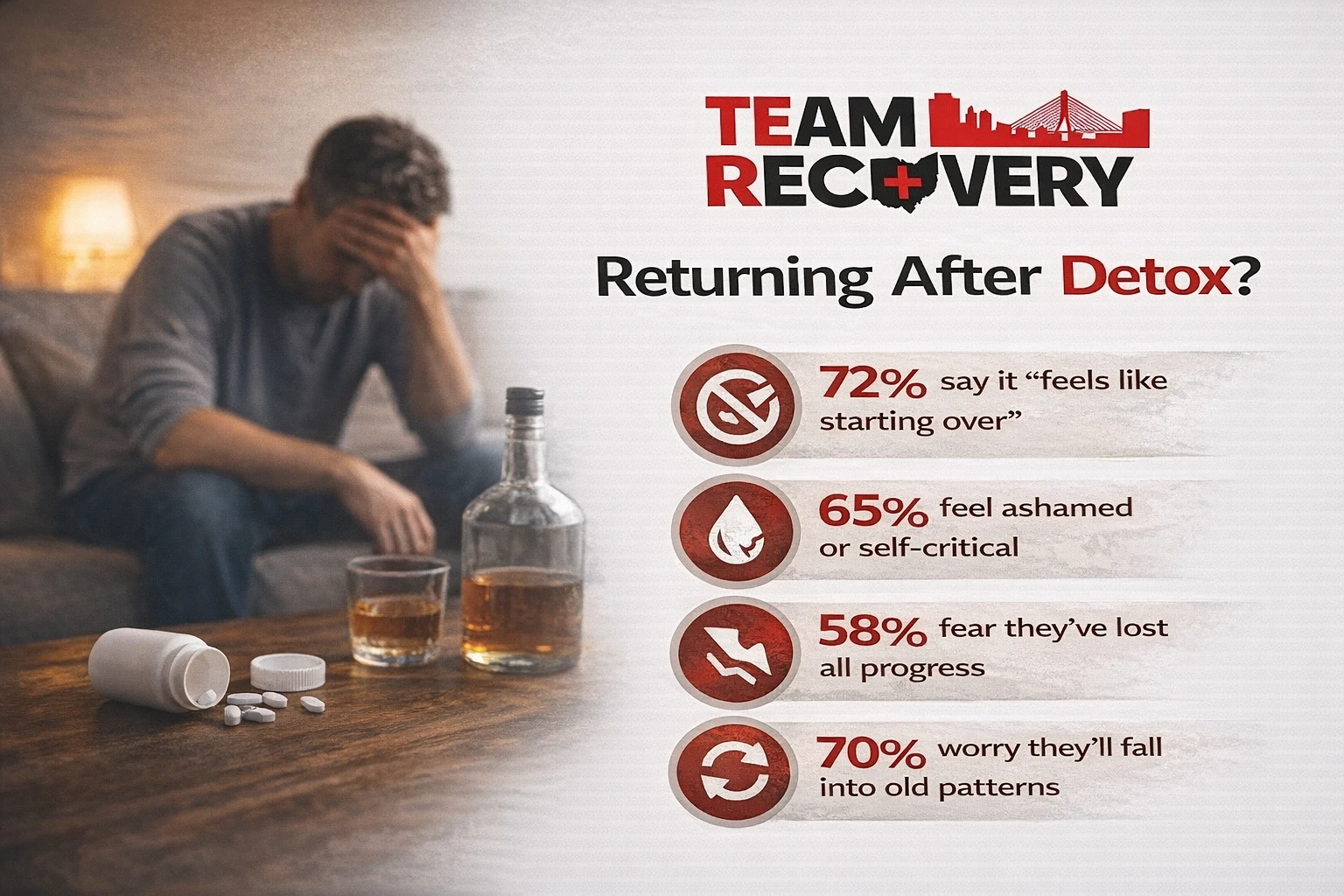
Going back for support doesn’t feel like progress.
It feels like erasing everything.
Like you’re back at day one.
Like nothing you did before counts anymore.
But that’s not actually true.
Even if it feels that way.
Because this time, I wasn’t guessing.
I knew:
- What honesty sounded like
- What support actually felt like
- What happened when I ignored the early signs
That didn’t remove the discomfort.
But it removed the confusion.
The Fear of Going Back Was Real
I didn’t want to return to structure.
I didn’t want to step away from my life again.
I didn’t want to explain myself.
It felt like admitting something I didn’t want to say:
I couldn’t hold this on my own.
But the truth was—
I wasn’t holding it.
I was managing the appearance of it.
And there’s a difference.
One is stability.
The other is survival.
What I Actually Needed
I kept thinking I needed more discipline.
More control.
More willpower.
But that wasn’t the problem.
What I needed was honesty.
The kind that doesn’t sound impressive.
The kind that sounds like:
This isn’t working anymore.
That kind of honesty changes things.
Not instantly.
But directionally.
If You’re Somewhere in This Right Now
Maybe your story doesn’t look exactly like mine.
But something feels familiar.
That quiet moment.
That thought you keep pushing away.
That sense that something isn’t as under control as you’d like it to be.
If you’re there—you don’t have to wait for it to get worse.
You don’t have to prove anything.
You don’t have to hit a visible bottom.
You just have to be honest about where you are.
This Doesn’t Erase What You Built
Relapse doesn’t cancel your progress.
It complicates it.
It challenges it.
But it doesn’t delete it.
Everything you learned is still there.
Everything you experienced is still there.
Everything you proved to yourself is still there.
You’re not starting from nothing.
Even if it feels like it.
The Quiet Form of Hope
That night didn’t solve anything.
It didn’t fix everything.
But it did one important thing.
It stopped the pretending.
And that’s where hope actually starts.
Not in doing everything right.
In being honest enough to change direction.
Frequently Asked Questions
Does going back for support mean I failed?
No. It means you’re paying attention. Recognizing when something isn’t working is part of the process—not the end of it.
Why does relapse feel worse the second time?
Because you have awareness now. You know what’s possible, and that contrast can make slipping feel heavier.
How do I know if I actually need help again?
If you’re questioning your control, minimizing patterns, or feeling like things are slipping—it’s worth taking seriously.
What if I think I can fix this on my own?
That thought is common. But if things haven’t shifted yet, it may be time to consider support instead of repeating the same approach.
Will it feel like starting over?
It might feel that way emotionally. But in reality, you’re returning with experience, insight, and awareness you didn’t have before.
What’s the hardest part of going back?
Often, it’s the decision itself. Admitting you need help again can feel heavier than the process that follows.
You Don’t Have to Stay in That Place
If you’re in that space—somewhere between knowing and avoiding—
You’re not alone.
And you’re not out of options.
Taking a step back toward support doesn’t erase what you’ve done.
It builds on it.
If you’re ready to talk—or even just say it out loud for the first time—Call 419-314-4909 to learn more about our Medical Detox Program in Toledo.

