




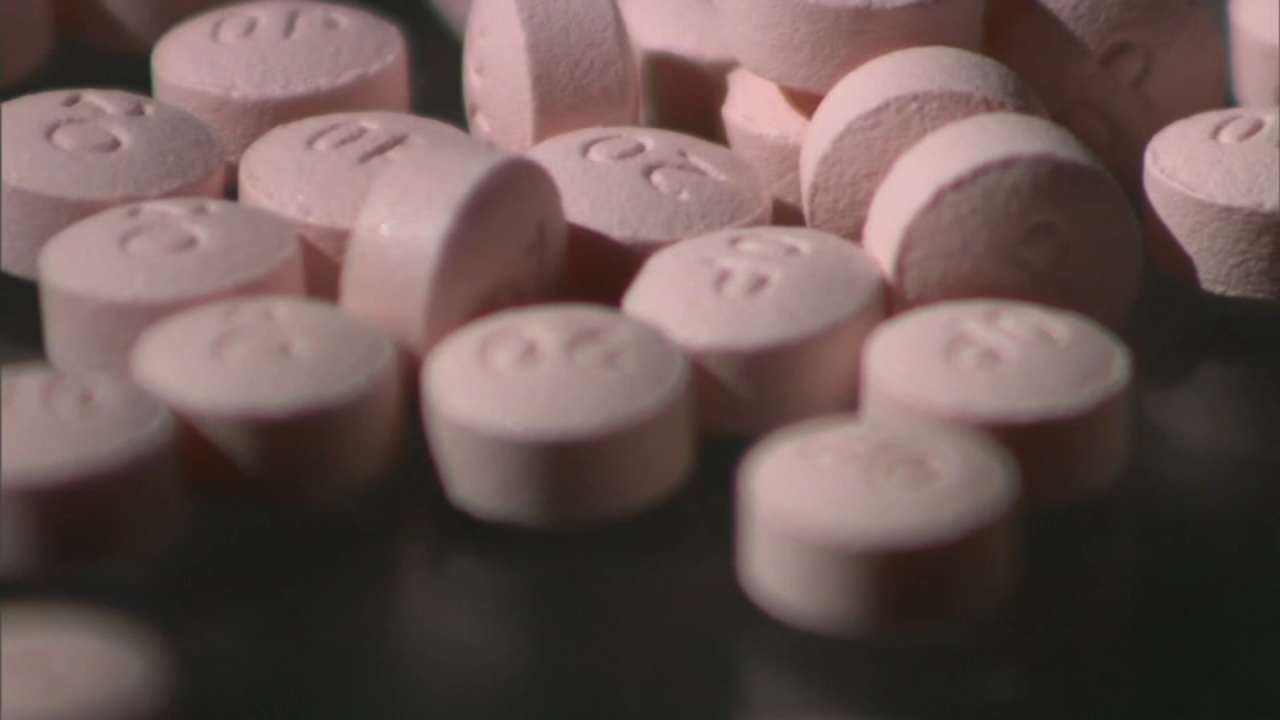
“Tranq” has become a common street term over the last few years, but a lot of families hear it without knowing exactly what it means or why it’s become such a serious concern. It’s not a new opioid. It’s an animal sedative that’s found its way into the illicit drug supply, and it’s changed how overdoses look and how they need to be responded to.
What Is Xylazine?
Xylazine is a sedative approved for veterinary use in large animals like horses and cattle. It is not approved for human use and is not an opioid. It’s a central nervous system depressant, which means it slows breathing and heart rate on its own, separate from whatever opioid it’s mixed with.
Why Is Xylazine Mixed Into Fentanyl?
Dealers mix xylazine into fentanyl largely because it extends the duration of the high. Fentanyl’s effects are intense but short-lived, and xylazine’s sedative properties stretch that window out. It’s a cheap additive, which makes it appealing from a supply standpoint, but it adds a layer of danger that the person using often has no way of detecting.
Signs of Tranq Use
Xylazine exposure tends to produce a few distinct signs beyond typical opioid effects.
- Heavy, prolonged sedation, sometimes lasting far longer than a typical opioid high
- Severe skin wounds, often described as necrotic or ulcerated, that can appear even in areas away from injection sites
- Slow-healing sores that worsen without treatment
- Extended blackout periods that don’t match a typical fentanyl timeline
These wounds are one of the more alarming markers of tranq exposure, and they tend to progress quickly if left untreated.
Why Tranq Overdoses Are Especially Dangerous
Naloxone (Narcan) reverses opioid overdoses, but it does nothing for xylazine, since xylazine isn’t an opioid. That means a person who has used fentanyl mixed with xylazine may not fully respond to naloxone alone, even though naloxone should still be given immediately in any suspected opioid overdose. Call 911 right away, since the person may need additional medical support that naloxone can’t provide.
What Families Should Do If They Suspect Tranq Exposure
Wounds associated with xylazine use need medical attention, not home treatment. They can worsen quickly and, left unaddressed, may lead to serious infection. If someone you love is using fentanyl that may be adulterated with xylazine, withdrawal from this combination can be more complex than opioid withdrawal alone, which is part of why medically supervised detox matters. Trying to manage this at home carries real risk.
Frequently Asked Questions About Tranq
Does Narcan work on tranq?
Narcan reverses opioid effects but does not reverse xylazine’s sedative effects. It should still be administered in a suspected overdose, since fentanyl is almost always present alongside xylazine, but additional medical care may be needed.
Is xylazine legal?
Xylazine is legal for veterinary use but is not approved by the FDA for human use. Its presence in the illicit drug supply is unregulated and unpredictable.
What does a tranq wound look like?
Wounds are often described as dry, dark, and slow to heal, sometimes appearing away from typical injection sites. Any wound like this should be evaluated by a medical professional.
Can you overdose on tranq alone?
Xylazine on its own can cause dangerous sedation and slowed breathing, though it’s most commonly found mixed with fentanyl, which compounds the risk.
If someone you love is using fentanyl that may contain xylazine, the safest first step is medical detox. Team Recovery’s medical detox program provides 24/7 supervision for exactly this kind of complex withdrawal. Call (419) 314-4909 to talk with our team.

