




Not knowing what rehab looks like can make reaching out feel overwhelming. Uncertainty often creates more fear than treatment itself. Understanding the process can make that first call feel much more manageable. Treatment also does not look the same for everyone. Your symptoms, substance use, health, and support needs help determine the right level of care. That may include medical detox, residential treatment, PHP, IOP, or outpatient care. Each level provides a different amount of structure and clinical support. Knowing what happens during the first days of treatment can help you prepare for what comes next.
Intake and Assessment
The first day usually begins with paperwork and a thorough assessment. Your care team will review your medical history, current substance use, and mental health concerns. A clinician will also ask questions about your symptoms, needs, and treatment goals. This information helps the team create an appropriate treatment plan from the start. Bring your identification, insurance information, and a current medication list. You should also pack comfortable clothing and any personal items approved during intake.
Detox, If Needed
For many substances, the first clinical step is medical detox, where withdrawal is managed under medical supervision. Not everyone needs this step, but for substances like alcohol, opioids, or benzodiazepines, withdrawal can carry real medical risk, and detox exists to make that process safer and more manageable.
A Typical Day in Residential Treatment
Once detox is complete or if it isn’t needed, residential treatment tends to follow a structured daily rhythm: morning check-ins, therapy blocks, group sessions, meals, and some downtime built in. That structure isn’t punitive. It’s meant to replace the chaos that often surrounds active addiction with something predictable, which is part of what makes early recovery feel more manageable.
Individual and Group Therapy
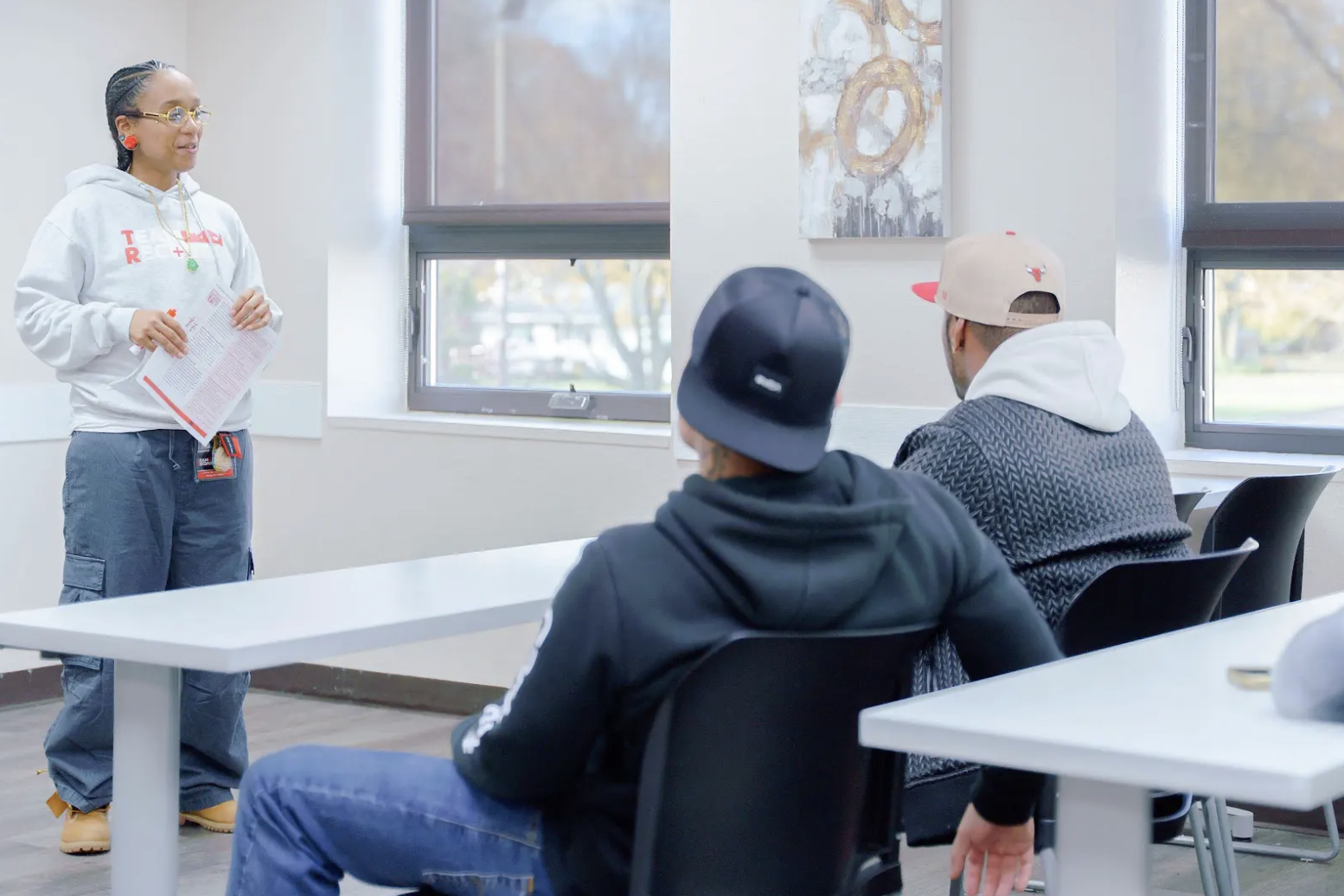
Much of the actual work in rehab happens in therapy sessions. Individual therapy gives space to work through personal history, triggers, and coping strategies one-on-one with a clinician. Group therapy brings people together to share experiences and build the kind of peer accountability that’s hard to replicate elsewhere. Most programs draw on evidence-based approaches, adapting the specific mix to fit each person’s needs.
Building an Aftercare Plan
Treatment doesn’t end the day someone walks out the door. Toward the end of a program, the focus shifts to what comes next: whether that’s stepping down into a partial hospitalization or intensive outpatient program, moving into recovery housing, or connecting with ongoing therapy and support groups. A solid aftercare plan is often what determines whether the progress made in treatment actually holds.
Frequently Asked Questions About What Happens in Rehab
How long does rehab typically last?
Duration varies widely depending on the level of care and individual need, ranging from a few weeks to several months across different stages of treatment.
What should I pack for rehab?
Comfortable clothing, personal hygiene items, identification, insurance information, and a list of current medications are typically recommended. Specific facilities may have additional guidelines provided during intake.
Will I be able to contact family during treatment?
Most programs allow contact with family, though the specifics, like designated call times or visitation policies, vary by facility and treatment phase.
What happens after rehab ends?
Most people transition into a lower level of care, such as outpatient treatment or recovery housing, rather than stopping support altogether. Continuity of care after residential treatment significantly improves long-term outcomes.
If the unknown is what’s holding you back from reaching out, Team Recovery’s residential treatment program in Toledo can walk you through exactly what to expect. Call (419) 314-4909 to talk with our admissions team.

