





For a long time, I believed that if I stayed away from drugs long enough, everything else would eventually fall into place.
I thought there would come a day when I would wake up and never question my recovery again. I imagined the doubts would disappear, the difficult days would stop showing up, and I would finally feel like the person everyone assumed I had become.
That day never came.
Instead, something unexpected happened.
Life became normal again.
And somehow, normal felt harder than I expected.
If you’re reading this because you’ve been in recovery for months or even years but recently caught yourself wondering why you feel disconnected, tired, or restless, I want you to know something.
You’re not failing.
You’re human.
When I started looking for answers, I realized many people who have overcome addiction eventually reach this quiet stage of recovery. It isn’t about surviving anymore. It’s about learning how to keep living.
If you’ve found yourself asking whether you need more support, I encourage you to explore the resources available through Team Recovery’s support for opioid and heroin recovery. Sometimes reading about what’s available reminds us that asking for help is always an option—not a setback.
I Thought Staying Clean Would Solve Everything
During my first year, recovery had a clear purpose.
Every day was about making the next good decision.
Avoid the people who pulled me backward.
Keep my appointments.
Stay honest.
Take things one day at a time.
Progress felt measurable because every milestone meant something.
Thirty days.
Ninety days.
Six months.
One year.
Friends congratulated me.
Family trusted me again.
Life slowly became manageable.
Then those milestones stopped feeling exciting.
No one celebrated year three the way they celebrated day ninety.
People assumed everything was fine because I looked fine.
I started believing I wasn’t allowed to struggle anymore.
That’s where loneliness quietly entered my recovery.
Nobody Warned Me About the Quiet Seasons
People often talk about the chaos before recovery.
They talk about the sleepless nights.
The lies.
The guilt.
The fear.
What people rarely mention is the silence that can arrive afterward.
You wake up.
Go to work.
Pay bills.
Cook dinner.
Watch television.
Go to bed.
Repeat.
At first, that routine feels like freedom.
Eventually, it can begin feeling empty.
Not because recovery isn’t working.
Because surviving is different from learning how to build a meaningful life.
Recovery doesn’t automatically hand us purpose.
It simply gives us the opportunity to discover it.
That realization surprised me.
I kept waiting for motivation to arrive on its own.
Instead, I had to begin creating it one decision at a time.
I Started Wondering If Something Was Wrong With Me
The questions arrived slowly.
“Why don’t I feel happier?”
“Shouldn’t I be grateful?”
“Why do I miss the excitement, even though it nearly destroyed me?”
Those thoughts scared me.
Not because I wanted to return to my old life.
Because I worried those thoughts meant I was heading back toward it.
For weeks, I kept everything to myself.
I smiled during conversations.
I told people work was busy.
I convinced myself everyone else in recovery had figured something out that I hadn’t.
Eventually I mentioned those feelings during a meeting.
I expected people to look disappointed.
Instead, several people laughed.
Not because my experience was funny.
Because it sounded familiar.
One person said something that has stayed with me ever since.
“Recovery isn’t a finish line. It’s learning how to keep choosing yourself.”
That sentence changed the way I viewed everything.
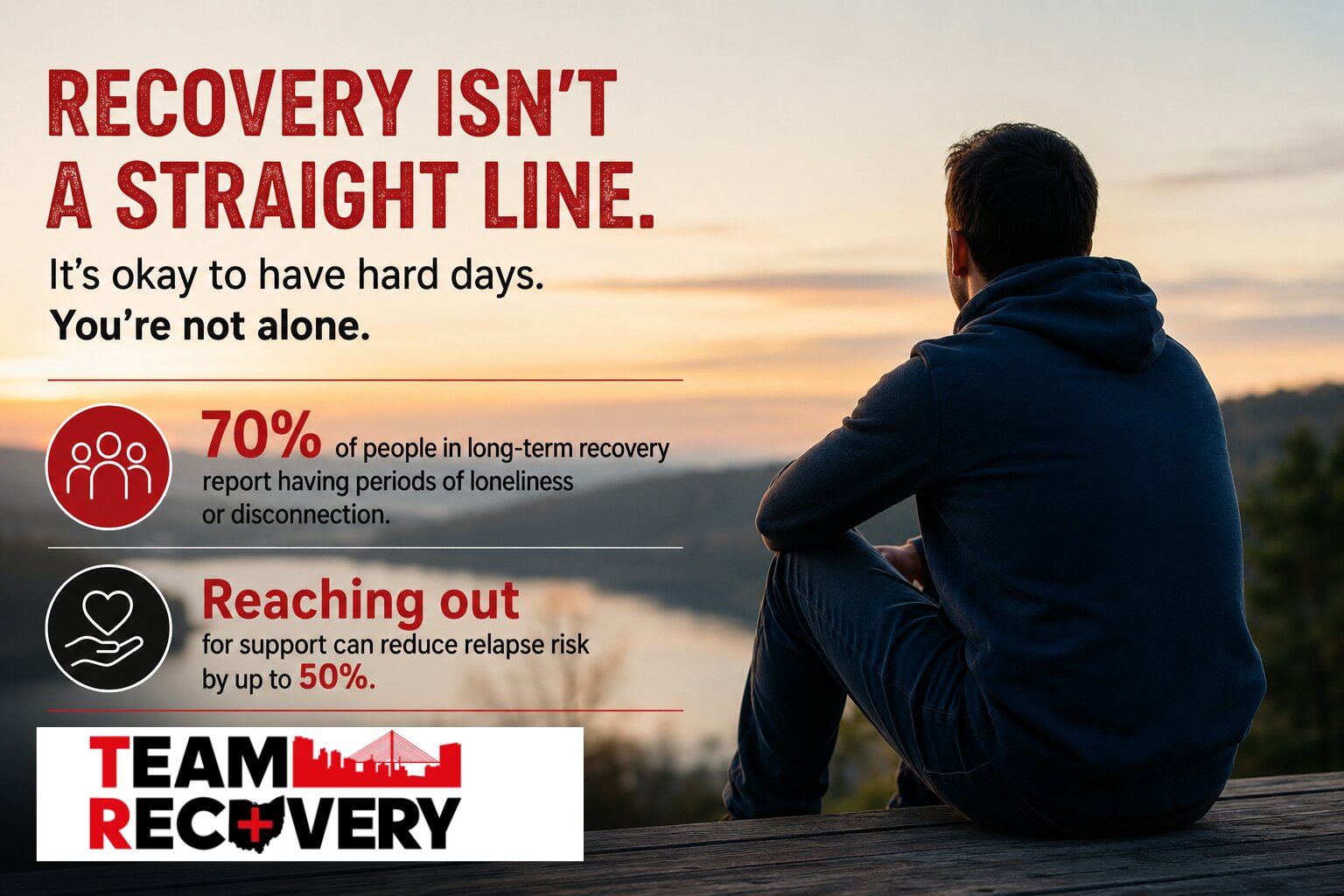
Healing Doesn’t Mean You Never Need Help Again
For a long time, I treated asking for help as proof that I wasn’t doing well.
Looking back, I realize I had misunderstood recovery.
If someone develops diabetes, they don’t stop managing it after one successful year.
If someone heals from a serious injury, they still take care of their body afterward.
Recovery deserves the same respect.
Needing encouragement doesn’t erase years of progress.
Feeling overwhelmed doesn’t cancel your accomplishments.
Having difficult thoughts doesn’t mean you’re back where you started.
Sometimes life changes.
Stress increases.
Relationships become complicated.
Grief arrives unexpectedly.
Sometimes those moments stir memories connected to opioid use or the life that existed before recovery.
That doesn’t mean you’ve failed.
It simply means you’re living a human life while protecting something incredibly valuable.
I Had to Stop Measuring Success by the Absence of Struggle
One of the biggest shifts in my thinking came when I realized I had been using the wrong definition of success.
I believed successful recovery meant never feeling tempted.
Never questioning myself.
Never having bad days.
But life doesn’t work that way.
Even people who have never struggled with substance use experience loneliness, anxiety, disappointment, and uncertainty.
Recovery doesn’t remove those emotions.
It changes how we respond to them.
Instead of running from discomfort, I slowly learned to sit with it.
Instead of convincing myself I had to handle everything alone, I started reaching out earlier.
Instead of waiting until I was overwhelmed, I checked in with people who understood my journey.
That small change made difficult seasons feel much less isolating.
Small Steps Can Protect Years of Progress
When I felt disconnected, my first instinct was to wait for motivation to return.
That rarely worked.
What helped instead were simple actions.
I called someone from my support network.
I attended a meeting even when I didn’t feel like going.
I spent time outside instead of staying inside with my thoughts.
I started journaling again.
I reminded myself why I chose recovery in the first place.
None of those things solved every problem overnight.
But together, they helped me feel connected again.
Recovery is often compared to climbing a mountain.
I’ve started thinking of it differently.
It’s more like tending a garden.
You don’t plant it once and walk away.
You water it.
You remove weeds.
You care for it through every season.
That’s how lasting growth happens.
Your Story Isn’t Over Because You’re Feeling Stuck
If you’re reading this while questioning yourself, I hope you’ll remember something I wish someone had told me years ago.
Feeling stuck doesn’t mean you’re moving backward.
Sometimes it means you’ve reached a place where a different kind of growth is needed.
The courage that helped you stop using isn’t the only courage you’ll ever need.
There is also courage in asking for support again.
Courage in admitting you’re struggling.
Courage in saying, “I don’t want to lose what I’ve worked so hard to build.”
Many people who once struggled with heroin or other forms of opioid use quietly return for additional guidance—not because recovery failed, but because life continued to change.
Support isn’t only for the beginning.
Sometimes it’s exactly what’s needed years later.
Recovery Can Keep Growing With You
The best lesson recovery has taught me isn’t how to avoid my past.
It’s how to keep choosing my future.
There are still difficult mornings.
There are still stressful weeks.
There are moments when I feel disconnected or unsure of myself.
The difference is that I no longer believe I have to face those moments alone.
Recovery isn’t about becoming someone who never struggles.
It’s about becoming someone who knows where to turn when life becomes heavy.
That lesson has protected me far more than pretending everything is fine ever could.
The strongest people I know aren’t the ones who never ask for help.
They’re the ones who understand that healing is something we continue to practice.
Frequently Asked Questions
Is it normal to feel disconnected years after recovery?
Yes. Many people experience periods of feeling disconnected even after years of progress. Recovery is a lifelong journey, and emotional ups and downs do not erase the work you’ve already done.
Does feeling tempted mean I’m relapsing?
Not necessarily. Thoughts and cravings can happen during stressful periods. What matters most is how you respond and whether you reach out for support before those feelings grow stronger.
Why do I feel lonely even though my life is more stable now?
Early recovery often focuses on immediate goals. Once life becomes more stable, deeper emotional needs and questions about purpose, identity, and connection may become more noticeable.
When should I ask for additional support?
If you’re feeling isolated, overwhelmed, or worried about maintaining your progress, it’s worth talking with someone. Seeking support early can help you navigate challenges before they become larger problems.
Does returning for help mean I failed?
No. Many people reconnect with recovery resources after months or years because life changes. Asking for help is a sign of commitment to your well-being, not a sign that you’ve failed.
Take the Next Step
If this story feels familiar, you don’t have to wait until things get worse before reaching out. Learning more about treatment options can be a meaningful way to protect the progress you’ve already made.
Call 419-314-4909 or visit our opioid and heroin recovery services to learn more about our addiction, opioid, and heroin services Toledo, Ohio.

