





There is a moment that catches many people off guard.
It is not the moment they realize they have been drinking heavily.
Most people already know that.
It is the moment they realize they might not be able to solve it alone.
For some, that realization comes after another promise to cut back fails. For others, it arrives after a difficult conversation with a spouse, a concerning doctor’s appointment, or simply waking up one morning exhausted by the cycle.
If you’ve been searching for answers about treatment options, you’re probably not looking for a lecture.
You’re looking for clarity.
At Team Recovery, we speak with many people who are sober curious but unsure what kind of support makes sense for their situation. Some are worried their drinking has become too difficult to control. Others wonder if they are overreacting.
Many begin exploring alcohol addiction treatment services because they want answers before things get worse.
If that’s where you are right now, this guide is for you.
The Question Behind the Question
When people ask about inpatient vs outpatient drinking concerns, they are usually asking something deeper.
They are asking:
“How much help do I really need?”
That question can feel uncomfortable.
Nobody wants to believe their drinking has reached a point where professional support is necessary.
Many people spend months—or years—trying to answer that question on their own.
They compare themselves to others.
They minimize their concerns.
They focus on the days they successfully cut back instead of the weeks they couldn’t.
Eventually, however, most people discover that the real issue is not whether they can stop for a few days.
The real issue is whether they can create lasting change.
Why Trying Harder Isn’t Always the Answer
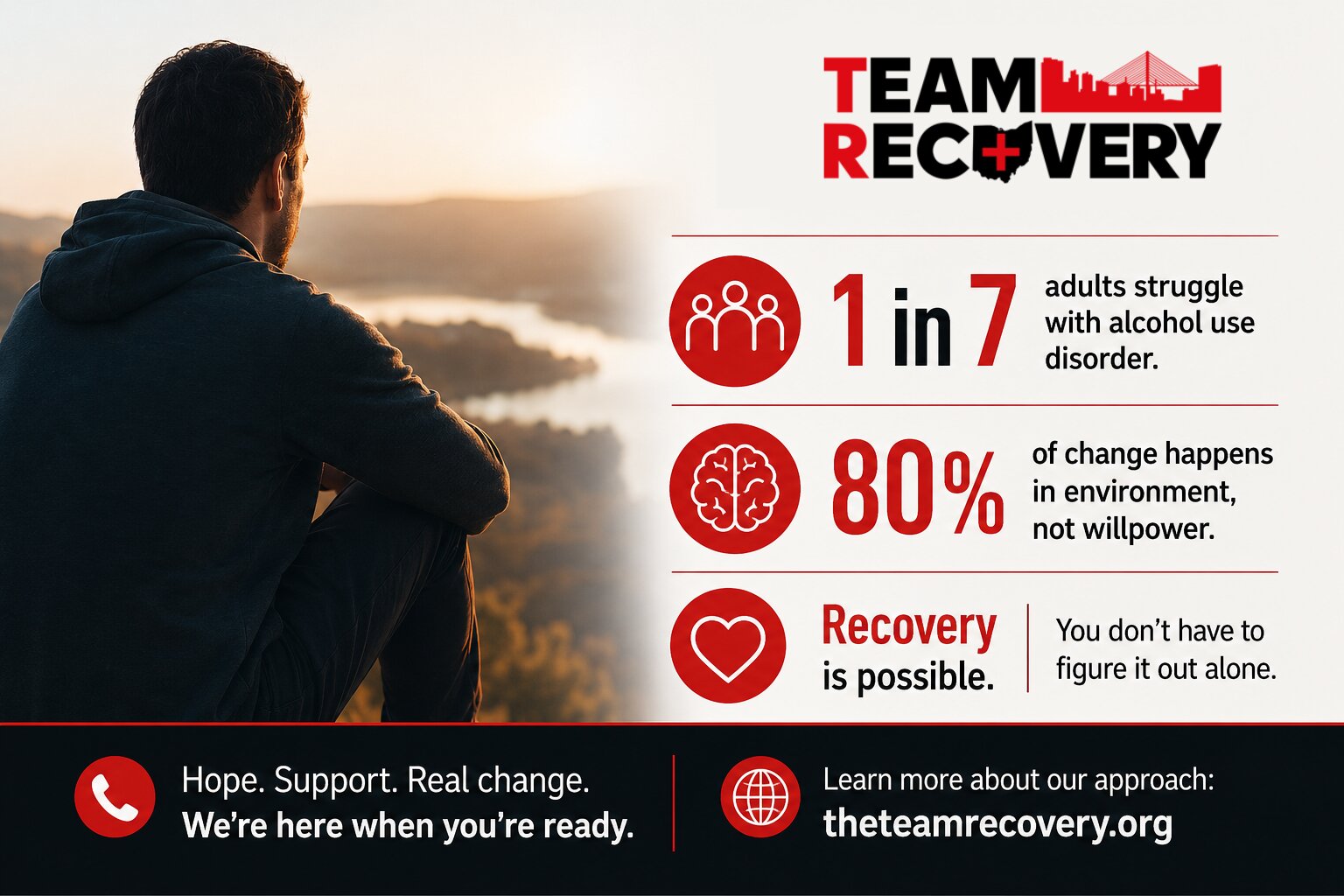
One of the biggest myths surrounding alcohol use is the belief that success comes down to willpower.
People tell themselves:
“I just need to try harder.”
“I need more discipline.”
“I should be able to handle this.”
As a treatment provider, we’ve seen countless people carry this burden.
The problem is that heavy drinking often changes how people think, cope with stress, and respond to cravings.
Recovery is not simply a matter of determination.
If determination alone solved alcohol problems, many people would never need support.
The reality is that the right environment often matters just as much as motivation.
Think of recovery like growing a plant.
Even the healthiest seed struggles in poor soil.
Sometimes the environment needs to change before growth becomes possible.
When a Change of Environment Makes All the Difference
For some people, home has become filled with triggers.
The liquor cabinet is nearby.
Stress follows them from room to room.
Old habits exist in every corner of daily life.
When this happens, stepping away temporarily can create a powerful opportunity for healing.
Many individuals describe their first days away from their normal routine as surprising.
For the first time in years, they are not spending every ounce of energy managing cravings, hiding drinking, or planning around alcohol.
Instead, they can focus on recovery.
One former client described it this way:
“I finally had enough quiet to hear myself think.”
That kind of separation can be life-changing for people whose drinking has become deeply woven into everyday life.
When Staying Home May Be the Right Fit
Not everyone needs to step away completely.
Some individuals have strong support systems.
They have stable housing.
Their drinking has not progressed to a point where constant supervision is necessary.
For these individuals, structured care while continuing daily responsibilities may provide the balance they need.
They can attend treatment sessions, learn coping skills, receive accountability, and immediately apply those skills in real-world situations.
This approach works particularly well for people who need flexibility while still receiving meaningful support.
The key is honesty.
The goal is not choosing the easiest option.
The goal is choosing the option that gives you the highest chance of success.
Withdrawal Is More Important Than Most People Realize
One reason professional guidance matters is safety.
Alcohol withdrawal is often misunderstood.
Many people assume stopping alcohol simply means dealing with discomfort for a few days.
In reality, withdrawal can sometimes become medically dangerous.
Symptoms may include:
- Shaking
- Sweating
- Anxiety
- Nausea
- Increased blood pressure
- Rapid heart rate
- Hallucinations
- Seizures
This is why professional evaluation is so important.
A person who has been drinking heavily for an extended period may require medical supervision during the early stages of recovery.
Seeking help is not a sign of weakness.
It is a sign of wisdom.
Recovery Is About More Than Drinking
Many people believe treatment focuses entirely on alcohol.
In reality, alcohol is often only part of the story.
Behind the drinking, there may be:
- Anxiety
- Depression
- Trauma
- Burnout
- Grief
- Chronic stress
- Relationship challenges
Alcohol sometimes becomes a coping strategy for pain that has gone unaddressed.
When recovery begins, people often discover they are not just learning how to stop drinking.
They are learning how to live differently.
They are learning how to manage emotions without alcohol.
How to respond to stress.
How to rebuild confidence.
How to create a life that feels worth protecting.
A Story That May Sound Familiar
Not long ago, we spoke with a man who insisted he didn’t need treatment.
He had a career.
A home.
A family.
No arrests.
No dramatic consequences.
Yet every evening followed the same pattern.
He drank more than intended.
Promised tomorrow would be different.
Repeated the cycle.
For years, he focused on whether his drinking looked serious enough.
Then something shifted.
Instead of asking whether he qualified for help, he asked:
“Why am I working so hard to avoid getting it?”
That question changed everything.
Today, he often says the hardest part was not treatment.
The hardest part was admitting he deserved support.
How to Take the Next Step
If you’re trying to determine what level of care is right for you, start by asking:
- Have I tried to stop before?
- Do I experience withdrawal symptoms?
- Is alcohol affecting my relationships?
- Am I hiding how much I drink?
- Do I feel anxious about stopping?
- Does my environment support recovery?
You do not need perfect answers.
You simply need honesty.
A professional assessment can help determine what level of support aligns with your needs.
And sometimes, having that conversation brings more relief than people expect.
Strength Looks Different Than Most People Think
Many people view strength as enduring hardship alone.
Pushing through.
Handling everything themselves.
Never asking for help.
But recovery teaches a different lesson.
Real strength is honesty.
Real strength is facing reality.
Real strength is choosing growth even when it feels uncomfortable.
The strongest people we meet are rarely the ones who never struggle.
They are the people who stop pretending they aren’t struggling.
That is where change begins.
That is where healing starts.
And that is often where hope returns.
If you’ve been researching inpatient vs outpatient drinking concerns and wondering what comes next, know this:
You do not need to have everything figured out today.
You only need to take one step forward.
Call 419-314-4909 or visit our alcohol addiction treatment services to learn more about our addiction and alcohol services Toledo, Ohio.
Frequently Asked Questions
How do I know if my drinking is serious enough for treatment?
If drinking is affecting your health, relationships, work performance, emotional well-being, or ability to control your use, it may be worth seeking a professional assessment.
What if I am still functioning at work?
Many people who seek treatment continue working successfully. Being high-functioning does not mean alcohol is not creating problems beneath the surface.
Can alcohol withdrawal be dangerous?
Yes. In some cases, alcohol withdrawal can become medically serious. Professional evaluation is recommended before attempting to stop heavy alcohol use.
What if I am not completely sure I want to quit?
Many people enter treatment while feeling uncertain. Exploring your options does not require a lifelong commitment. It simply helps you better understand your situation.
Will treatment address anxiety or depression too?
Many people discover that emotional health and alcohol use are closely connected. Comprehensive treatment often addresses both concerns simultaneously.
How long does treatment usually last?
Treatment length varies based on individual needs, drinking history, physical health, and recovery goals. A personalized assessment can help determine the most appropriate recommendation.
What is the biggest mistake people make when seeking help?
Waiting until things become worse. Many people benefit from support long before reaching a crisis point.
What should I do if a loved one thinks I need help but I’m not sure?
Consider having a professional assessment. Gathering information does not commit you to treatment, but it can help you make a more informed decision.

