





The second time I needed help, I almost didn’t ask for it.
Not because I thought I was fine.
Not because I didn’t know where things were headed.
I almost didn’t ask because I was embarrassed.
The first time I got sober, people celebrated. Family members trusted me again. Friends told me they were proud of me. I started believing I could build a different life.
Then I relapsed.
And suddenly the question wasn’t whether I needed help.
It was whether I deserved it.
If you’ve had some sobriety and found yourself using opioids again, you may understand exactly what I’m talking about. Relapse has a way of making people question everything. It whispers that they’ve failed. It convinces them they’re back at the beginning.
For me, one question kept showing up over and over:
“If I go back, how long is this going to take?”
On the surface, I was asking about detox.
Underneath, I was asking about hope.
I wanted to know how long I’d feel sick.
How long I’d feel ashamed.
How long before life stopped revolving around getting through the next hour.
Those questions are more common than most people realize.
If you’re considering getting help again, resources like medical detox support exist specifically to help people through those difficult first days.
Relapse Doesn’t Erase the Work You Already Did
One of the biggest mistakes I made after relapsing was treating myself like a stranger.
I acted as if everything I had learned in recovery disappeared the moment I used again.
It didn’t.
The coping skills were still there.
The insight was still there.
The experience was still there.
I just couldn’t see it because shame was louder.
Many alumni assume they’re starting from zero.
They’re not.
They’re starting from experience.
That matters because recovery isn’t only about abstinence. It’s also about learning how addiction works, understanding your triggers, recognizing warning signs, and discovering what support you need.
None of that disappears after a relapse.
Why Detox Feels Bigger in Your Head Than It Often Is
I spent weeks worrying about detox before I actually returned.
Weeks.
The fear grew larger every day.
That’s one thing addiction does remarkably well. It turns uncertainty into something enormous.
I imagined endless suffering.
I imagined months of misery.
I imagined being trapped.
The reality was different.
Was it uncomfortable?
Yes.
Was it easy?
No.
But it wasn’t endless.
Many people searching for information about detox are trying to understand how long they’ll be physically uncomfortable.
The exact answer depends on several factors, including:
- The type of opioid being used
- Duration of use
- Frequency of use
- Physical health
- Individual body chemistry
- Whether other substances are involved
Because everyone’s situation is different, there’s no universal timeline.
What most people discover, however, is that the most intense physical symptoms tend to occur during the early stages.
The body begins working toward balance sooner than many people expect.
The First Few Days Often Feel Like the Longest
Time behaves strangely during withdrawal.
An hour can feel like a day.
A night can feel like a week.
When you’re uncomfortable, exhausted, and emotionally raw, the clock seems to slow down.
I remember checking the time constantly.
Ten minutes.
Twenty minutes.
Thirty minutes.
It felt endless.
But something interesting happened.
The hours kept passing.
The days kept moving.
And eventually I noticed small changes.
I slept a little better.
I felt slightly less restless.
Food started sounding appealing again.
None of those changes were dramatic.
But together, they created momentum.
Recovery often begins that way.
Not with a breakthrough.
With a series of small improvements that gradually add up.
The Emotional Withdrawal Surprised Me More Than the Physical Part
Nobody prepared me for this.
I expected physical symptoms.
I expected discomfort.
What caught me off guard was the emotional side.
I felt grief.
Not just sadness.
Grief.
I was grieving the version of myself I thought I had become.
I was grieving lost time.
I was grieving mistakes.
Many people experience something similar after relapse.
The physical symptoms eventually improve.
The emotional processing can take longer.
That’s why support matters so much.
Detox helps stabilize the body.
Recovery helps rebuild the life around it.
Both are important.
Why So Many Alumni Wait Too Long to Come Back
Looking back, I waited because I thought I needed a better story.
I wanted an explanation.
I wanted a reason that would make sense to everyone.
I wanted to prove I wasn’t careless.
But recovery communities don’t require perfect explanations.
Most people there understand something important:
Relapse happens.
Not because people are weak.
Not because they don’t care.
Not because recovery doesn’t work.
It happens because addiction is powerful and recovery is difficult.
Many of the strongest people I’ve met in recovery have relapsed at some point.
What separated them wasn’t perfection.
It was their willingness to return.
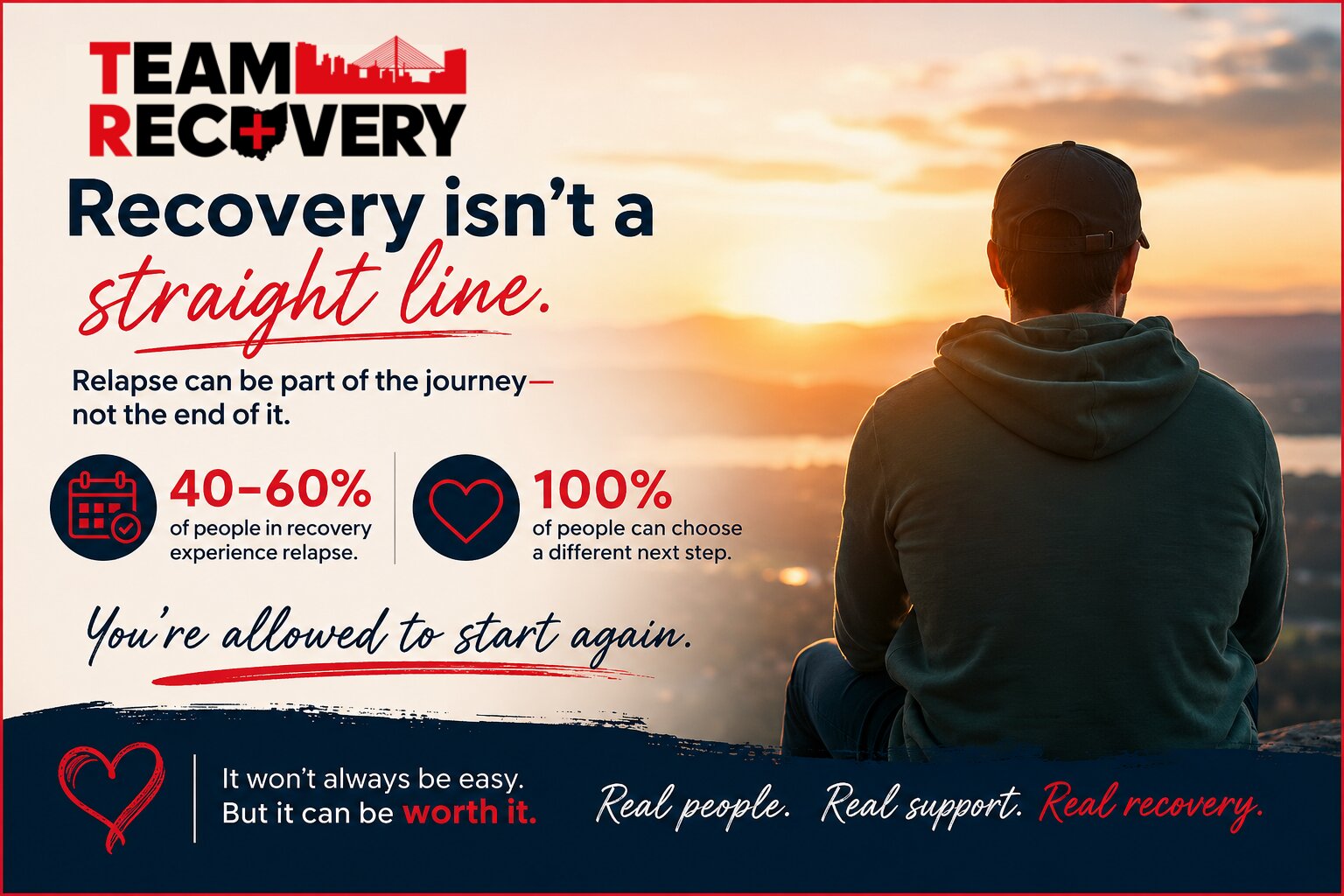
The Question Behind “How Long Does Detox Take?”
I’ve had this conversation with a lot of people.
Someone asks:
“How long does inpatient detox take for opioids?”
But after talking for a while, another question emerges.
They’re really asking:
“How long until I stop feeling trapped?”
“How long until I stop disappointing people?”
“How long until I feel like myself again?”
Those questions don’t have exact answers.
But I can tell you this.
The process often starts sooner than expected.
Not because every problem disappears.
Because movement creates hope.
Hope is easier to find when you’re taking action than when you’re sitting alone trying to manage everything by yourself.
Understanding What Recovery Looks Like After Detox
One misconception I carried was that detox would fix everything.
I thought if I could simply get through withdrawal, the rest would take care of itself.
That’s not how it worked.
Detox gave me a foundation.
It gave me enough stability to start making decisions again.
For many people, recovery continues through:
- Individual counseling
- Group therapy
- Peer support
- Relapse prevention planning
- Continued treatment services
- Rebuilding healthy routines
This isn’t bad news.
It’s actually encouraging.
Because it means recovery isn’t dependent on willpower alone.
Support exists beyond those first few difficult days.
What Helped Me Most
People often ask what made the biggest difference.
Honestly?
It wasn’t a specific technique.
It was realizing I didn’t have to pretend anymore.
Addiction thrives in isolation.
Recovery thrives in honesty.
The moment I stopped trying to convince everyone I was okay, things started changing.
That honesty wasn’t dramatic.
It sounded more like:
“I’m struggling.”
“I need help.”
“I don’t know what to do next.”
Simple words.
Life-changing impact.
You Are Allowed to Return
If you’ve relapsed after 90 days, six months, or even years, you may feel like you’ve lost your place.
You haven’t.
You may feel like everyone will be disappointed.
Many will simply be relieved you’re alive.
You may feel like you’ve ruined everything.
You haven’t.
Recovery isn’t reserved for people who never stumble.
It’s built for people who get back up.
And if you’re reading this today, asking questions about detox, there’s a good chance part of you already wants something different.
Listen to that part.
It deserves your attention.
Frequently Asked Questions
How long does inpatient detox for opioids usually take?
The timeline varies depending on the individual, the type of opioid used, overall health, and other factors. Most people find that the most intense physical symptoms occur during the early stages of withdrawal.
Is detox the hardest part of recovery?
For some people, detox feels like the hardest part. Others find that rebuilding routines and managing emotions afterward presents greater challenges. Recovery tends to involve both physical and emotional healing.
Why does relapse make asking for help so difficult?
Many people experience shame after relapse. They may feel they’ve disappointed others or erased previous progress. In reality, relapse is a common experience in recovery and does not erase everything learned during sobriety.
What does the opioid detox timeline look like?
The opioid detox timeline varies from person to person. Factors such as substance type, duration of use, health status, and treatment support all influence the experience.
Can I recover after relapsing?
Absolutely. Many people who enjoy long-term recovery have experienced one or more relapses. Returning for help is often a sign of strength rather than failure.
Will people judge me for coming back?
Most recovery professionals and peers understand how difficult addiction can be. Their focus is generally on helping people move forward, not punishing them for setbacks.
What happens after detox?
Many people continue with counseling, peer support, structured treatment, and recovery planning after detox. Ongoing support often helps strengthen long-term recovery.
Is it normal to feel hopeless after a relapse?
Yes. Feelings of guilt, shame, frustration, and hopelessness are common. Those emotions can improve significantly with support, connection, and time.
What if I’ve relapsed more than once?
Multiple relapses do not mean recovery is impossible. Many people require several attempts before finding an approach that works for them.
How do I know it’s time to ask for help again?
If opioid use has resumed, if cravings feel overwhelming, or if you’re spending significant energy trying to manage things alone, reaching out may be worth considering.
If relapse has convinced you that you’ve lost everything, consider another possibility: maybe you’ve simply reached the chapter where you stop carrying it by yourself.
Call 419-314-4909 or visit our Medical Detox Program to learn more about our Medical Detox Program services in Toledo, Ohio.

