





There’s a moment many parents reach that doesn’t get talked about enough.
It’s not the first time you notice something is wrong.
It’s not even the second or third conversation where you try to help.
It’s the moment you realize—your love is still there, your effort is still there… but the outcome isn’t changing the way you hoped.
And that’s where things get complicated.
If you’re here, considering something like detox support options, you’re probably not just asking about treatment.
You’re asking something much harder:
What is my role in this now?
Not in theory.
In real life. In your home. In your conversations. In your silence.
Let’s walk through that—without sugarcoating it.
“Am I supposed to fix this—or let them figure it out?”
This is the question that pulls parents in two directions at once.
Every instinct says:
Help them. Protect them. Don’t let this get worse.
But experience may be quietly telling you:
The more I try to control this, the more it slips through my hands.
That tension is real.
And there isn’t a simple answer—but there is a clearer one.
You can influence the environment.
You cannot control the outcome.
Trying to do both often leads to exhaustion, resentment, and confusion—for both of you.
Your role isn’t to fix what’s happening.
It’s to create conditions where change has a chance to happen.
That’s less immediate.
But it’s more sustainable.
“How involved should I actually be?”
Most parents don’t stay in the middle.
They swing.
One moment, you’re deeply involved—checking, asking, managing, trying to stay ahead of things.
The next, you pull back completely—out of frustration, fear, or simply burnout.
Neither extreme holds up over time.
What tends to help is a different kind of presence.
Not absence. Not control.
Something steadier.
It might look like:
- Being available, but not constantly monitoring
- Asking questions, but allowing space for answers
- Offering support, but not removing responsibility
This is hard.
Because it requires you to stay engaged without taking over.
And that balance doesn’t feel natural at first.
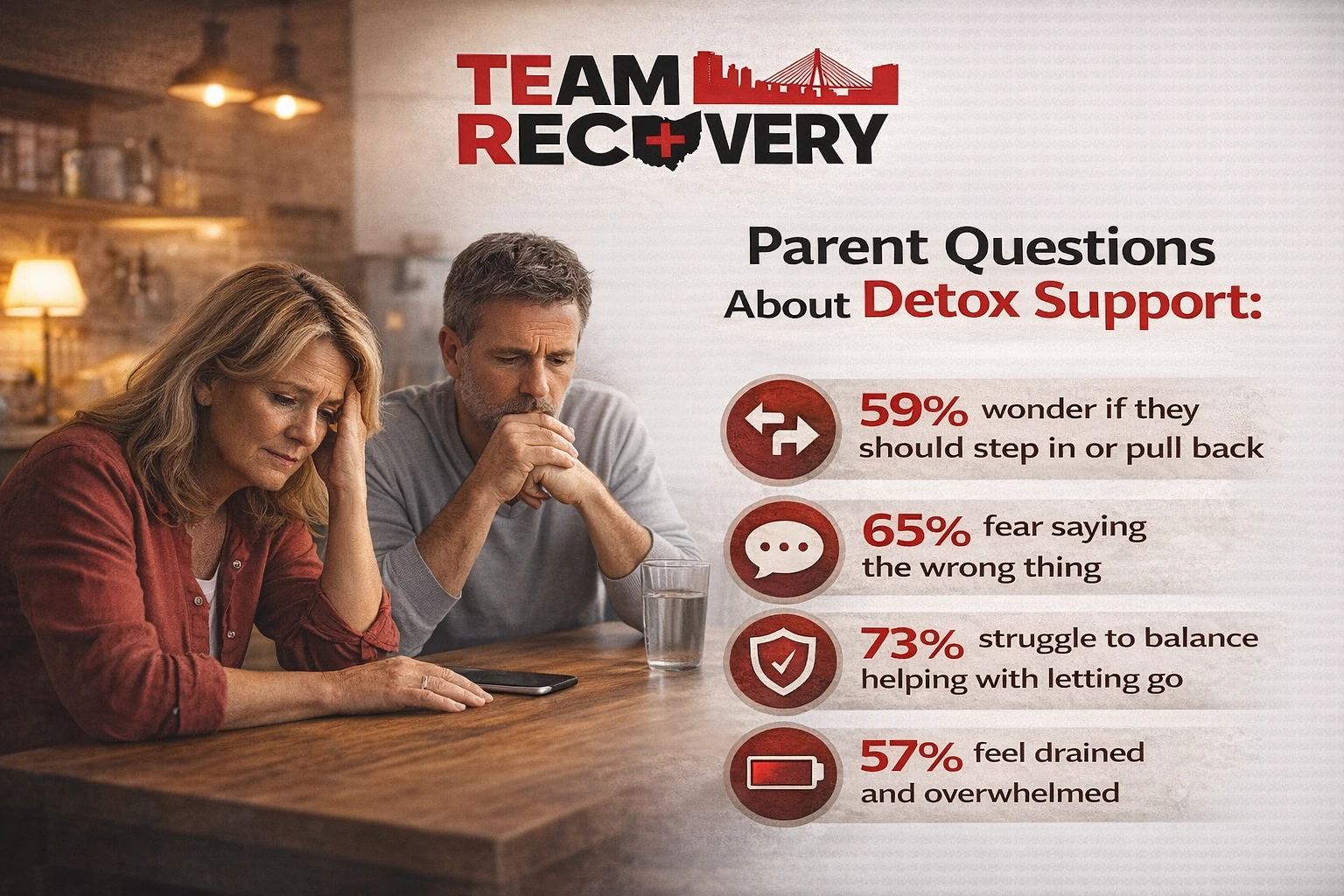
“What if I say the wrong thing and push them away?”
You probably already feel this pressure.
Every conversation feels like it matters more than it should.
Like one wrong word could make things worse.
So you second-guess yourself:
- Should I bring this up?
- Should I wait?
- Did I already say too much?
Here’s the truth:
You will say the wrong thing sometimes.
Every parent does.
But what matters more than the exact words is the pattern underneath them.
Are you:
- Consistent?
- Present?
- Willing to listen, even when it’s uncomfortable?
Your child doesn’t need perfection.
They need to know you’re still there—even when the conversations aren’t.
“Should I protect them from consequences—or let them feel it?”
This question is one of the most painful.
Because your instinct is protection.
You want to soften the fall.
Make things easier.
Prevent something worse from happening.
But over time, many parents notice something difficult:
When consequences are consistently removed, change often gets delayed.
Not because your child doesn’t care.
Because the urgency doesn’t fully land.
At the same time, letting consequences happen without support can feel like abandonment.
So the balance becomes:
Let reality be real.
But don’t let them face it alone.
That might mean:
- Not fixing everything immediately
- Allowing natural outcomes to unfold
- Staying emotionally present through it
It’s not about stepping back completely.
It’s about stepping back just enough.
“What if they don’t want help at all?”
This is where things can feel the most helpless.
Because you can see what’s happening.
And they may not fully accept it yet—or they may resist it entirely.
You can’t force readiness.
But you can shape the environment around it.
You can:
- Keep conversations open, even if they’re brief
- Stay consistent in your boundaries
- Offer options without pressure or ultimatums
And sometimes, what makes the difference isn’t a single conversation.
It’s your consistency over time.
Your steadiness becomes something they can come back to—even if they don’t right away.
“How do I support them without losing myself in the process?”
This is the question many parents don’t ask soon enough.
Because at first, all your focus is on them.
Their safety. Their choices. Their future.
But over time, something shifts.
You notice:
- You’re constantly on edge
- Your mood depends on how they’re doing
- Your energy is drained in ways that don’t reset
And somewhere in that, you’ve lost space for yourself.
Here’s what’s important to understand:
Losing yourself doesn’t help them.
It just makes the situation harder for both of you.
Supporting them sustainably means:
- Setting limits on what you can carry
- Allowing yourself moments of rest
- Getting support for yourself, too
Not as a way of stepping away.
As a way of staying present without burning out.
“What role actually helps them move forward?”
It’s not the role most parents imagine.
It’s not about being perfect.
Or always knowing what to say.
Or preventing every mistake.
The role that tends to help the most looks like this:
You become a steady presence.
Someone who:
- Holds boundaries without anger
- Offers support without control
- Stays consistent, even when things feel uncertain
That kind of presence doesn’t create instant change.
But it creates something deeper.
It creates safety.
And safety is often the starting point for real change.
“What if I’ve already made mistakes?”
Almost every parent asks this—whether they say it out loud or not.
You replay conversations. Decisions. Moments where you wish you handled things differently.
You wonder:
- Did I make this worse?
- Did I miss something earlier?
Here’s the truth:
You responded with what you knew at the time.
And you’re still here.
Still trying. Still showing up. Still asking better questions.
That matters more than getting everything right from the beginning.
Repair is possible.
Growth is possible.
And your relationship isn’t defined by a single moment—or even a series of them.
“What does progress actually look like from here?”
It’s not always dramatic.
And that can be confusing.
Progress might look like:
- A slightly more honest conversation
- A moment where they don’t shut down completely
- A willingness to consider help, even briefly
These are small shifts.
But they’re real.
And they often come before bigger changes.
Waiting for something obvious can make you miss what’s already happening.
The Part That’s Hard to Accept—but Important
You didn’t cause this.
And you can’t solve it on your own.
That’s not a failure.
It’s a limit.
And limits are not the same as giving up.
They’re what allow support to come in—from people, from structure, from places designed to hold what you can’t carry alone.
You’re Still Their Parent—But the Role Is Changing
This might be the hardest shift of all.
You’re still their parent.
But the way you show up may need to change.
Less control.
More clarity.
Less urgency.
More steadiness.
That doesn’t mean you care less.
It means you’re adapting to what actually helps.
And that takes courage.
You Don’t Have to Get This Perfect
There’s no version of this where you do everything right.
No script that guarantees the outcome you want.
Just a series of decisions made with care.
Some will feel right.
Some won’t.
But the fact that you’re here—trying to understand, trying to adjust, trying to support in a better way—
That matters.
More than perfection ever could.
You’re Allowed to Need Support Too
This part is often overlooked.
But it’s important.
You don’t have to carry this alone.
Not emotionally. Not mentally. Not practically.
Reaching out—for guidance, for clarity, for options—isn’t a sign that you’ve failed.
It’s a sign that you’re taking this seriously.
If you’re ready to talk—or even just hear what your options look like—Call 419-314-4909 to learn more about our Medical Detox Program in Toledo.

