





When your child is in trouble—real trouble—it doesn’t feel like a headline or a statistic. It feels like late-night pacing. Missed calls. Gut instincts. Conversations that go sideways. And then, one day, a provider mentions a medical detox program.
That word—detox—can trigger a landslide. The next word is often even harder: addict.
And if you’re like many parents we meet, your mind may go straight to:
Is that what this means? Is that who they are now?
Let’s stop right there.
This blog isn’t about judgment. It’s about clarity, compassion, and helping you breathe again while making decisions that protect your child’s life and dignity.
What It Really Means When Detox Is Recommended
When a medical team recommends detox, they’re not handing out a label—they’re responding to risk.
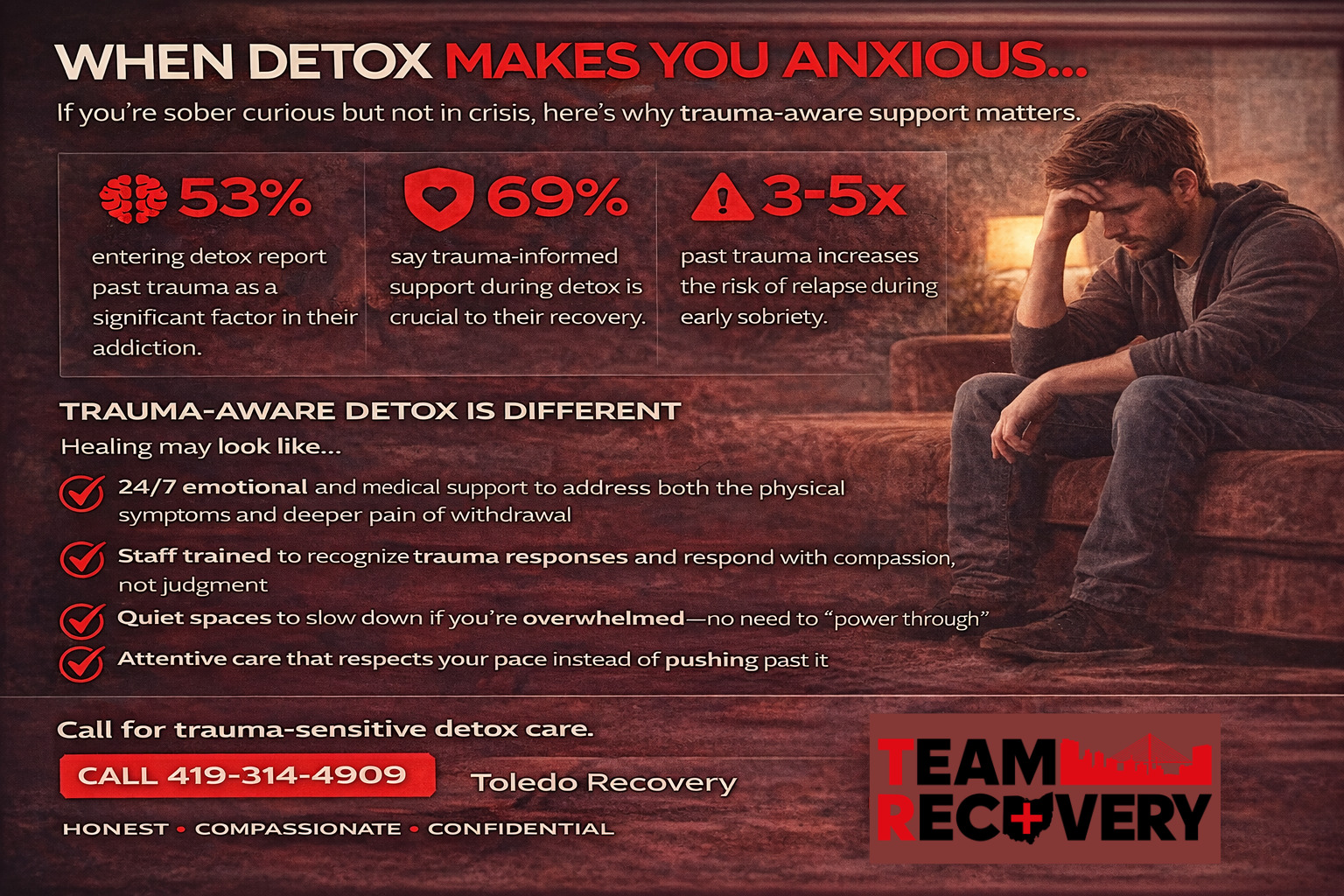
Detox is suggested when a person’s body has developed a physical dependence on a substance. That can mean serious withdrawal symptoms if use suddenly stops. In some cases—like with alcohol or benzodiazepines—detox isn’t just uncomfortable. It’s dangerous without medical supervision.
This does not mean your child is now sentenced to a lifetime of addiction.
It means their body needs help stabilizing so they can do the emotional and behavioral work safely, without their brain screaming for relief.
More than 1 in 10 young adults (ages 18–25) met criteria for a substance use disorder in the past year—yet most will never identify as “addicts.”
Source: SAMHSA, National Survey on Drug Use and Health
Detox is a beginning. Not a verdict.
Why the Word “Addict” Hurts—and How to Rethink It
Let’s name it: “Addict” is a word loaded with stigma. For many parents, it echoes failure. Fear. Headlines. Shame. It turns your child from a whole person into a single, scary identity.
We don’t use that word lightly at Team Recovery—and often, we don’t use it at all. Because the truth is more nuanced.
Your child may be struggling with:
- Physical dependence
- Binge-use patterns
- Self-medication for anxiety or trauma
- A developing substance use disorder
- Or none of the above—but their symptoms are raising alarms
None of those things mean they are an addict. It means they need help. And needing help isn’t weakness. It’s wisdom.
You Didn’t Miss Something. You’re Here Now.
We hear this from parents all the time:
“I should’ve seen it earlier. I should’ve done more.”
But the truth is, substance use in young adults often starts quietly. At first, it blends in with parties, stress, experimentation, even social bonding. Then it shifts—suddenly or slowly—into something riskier. And by the time it feels serious, you’re already emotionally worn out.
You didn’t cause this. And you’re not powerless now.
Getting curious instead of ashamed is one of the most powerful steps you can take as a parent. Asking about detox? That’s not failure. That’s fierce love in motion.
When Your Child Doesn’t Think They Need Help
Detox is often brought up before someone is emotionally ready to admit they’re struggling. That’s especially true for young adults, where brain development, peer influence, and pride all collide.
They may say:
- “I’m fine. I can stop whenever I want.”
- “You’re overreacting.”
- “It’s not like I’m doing [insert worse substance].”
Those defenses don’t mean they’re unreachable. They mean they’re scared. Or ashamed. Or not ready to see the full picture.
Your role as a parent isn’t to convince them they’re “an addict.” It’s to keep offering a bridge toward safety. That might start with something simple:
“I love you. You don’t have to agree with me. But your body’s not okay right now, and I want you alive.”
Let the clinical team help with the rest.
Detox Doesn’t Mean Forever
Here’s another thing to hold close: entering a detox program doesn’t commit your child to long-term treatment. It’s a short-term, medically supported step—often just a few days—designed to manage physical withdrawal.
What happens next can look different for everyone:
- Some enter outpatient care after detox
- Some engage in therapy for the first time
- Some need deeper residential or structured support
- And some simply stabilize, pause, and begin to reflect
Detox is not a door that locks behind them. It’s a safety rail for a dangerous moment.
What We’ve Seen—And What’s Possible
At Team Recovery, we’ve walked with parents who were certain it was too late—until it wasn’t.
We’ve seen young adults check into detox after a near-overdose, a failed semester, or a final straw fight with their family. And we’ve seen those same young adults walk out steadier, more open, and finally ready to talk about what’s underneath.
No, it’s not magic. But it’s movement.
And for many families, detox is the first moment the spiral slows enough for truth to land.
“It wasn’t the end. It was the first time I slept through the night without worrying he’d die.”
– Parent of a Team Recovery client, 2023
FAQ: Common Questions Parents Ask About Detox
Does my child have to hit rock bottom to qualify for detox?
Absolutely not. “Rock bottom” is a myth that hurts more than it helps. If your child is showing signs of withdrawal, erratic use, or dangerous patterns, detox may be appropriate—even if things haven’t “gotten that bad” yet.
Will they be drugged or sedated the whole time?
No. Medical detox is not about knocking someone out. It’s about safely managing withdrawal symptoms under clinical supervision. Comfort medications may be used to ease symptoms, but clients are awake, supported, and monitored throughout.
What happens after detox?
Detox clears the body. But emotional healing takes time. Most providers (including Team Recovery) will offer next-step planning to determine if outpatient, therapy, or other support is needed after stabilization.
Can I be involved in the process?
Yes—and your support matters. While detox is a medical setting, family engagement can often be part of aftercare planning or communication (with your child’s consent). We help parents know when to step in—and when to let clinical care lead.
What if they leave early or refuse to go?
That’s a real fear. Not every person is ready to accept help. But even the offer makes a mark. Detox isn’t about forcing change—it’s about offering it. Sometimes the first “no” turns into a “maybe” after things feel safer.
📍 If you’re worried about a young adult and don’t know where to turn, this is a place to start.
Ready to Talk?
You don’t have to figure it all out today.
Call 419-314-4909 or explore our Medical Detox Program services to learn more about how we support families in your shoes. Your love still matters. Let us help you carry the next step.

