





Making the decision to stop using alcohol or drugs can bring up a surprising mix of emotions.
You may feel hopeful about making a change. You may also feel scared about what comes next.
For many people, the fear isn’t recovery itself. It’s withdrawal.
They wonder what their body will do. They worry about feeling sick. They question whether they can handle it. Some even continue using longer than they want to simply because they’re afraid of what stopping might feel like.
If that sounds familiar, you’re not alone.
Many people begin researching options because they’re trying to answer one important question: What’s the safest way to stop?
At Team Recovery, we’ve helped people who were curious about recovery but unsure how to begin. Often, the first step isn’t committing to treatment. It’s understanding your options. Our medical detox services are designed to help people safely navigate the earliest stage of recovery while receiving professional support.
Why Is Withdrawal Such a Common Fear?
Withdrawal is one of the biggest reasons people delay seeking help.
Even people who genuinely want to stop using may hesitate because they have heard stories from friends, read alarming information online, or experienced difficult withdrawal symptoms before.
That fear makes sense.
The body adapts to regular substance use over time. When alcohol or drugs are suddenly removed, the brain and body must adjust to functioning without them.
That adjustment process can be uncomfortable.
In some situations, it can also be medically serious.
The challenge is that many people don’t know what category they fall into.
Some individuals experience mild symptoms.
Others experience severe symptoms that require immediate medical attention.
The uncertainty itself can feel overwhelming.
Why Do People Try to Quit on Their Own?
People choose to stop without professional support for many reasons.
Some want privacy.
Some worry about cost.
Others feel they should be able to do it themselves.
There’s also a common belief that asking for help means the problem is worse than they want to admit.
But seeking support isn’t an admission of failure.
It’s a practical decision.
If you had surgery, you wouldn’t expect yourself to perform it.
If you broke a bone, you wouldn’t feel embarrassed about seeking medical care.
Withdrawal deserves the same level of respect.
Your body is going through a significant physical adjustment.
Getting help simply means you’re taking that process seriously.
What Makes Withdrawal Different for Different People?
One of the biggest misconceptions about withdrawal is that everyone’s experience is the same.
It isn’t.
Several factors influence what withdrawal may look like, including:
- The substance being used
- How long you’ve been using
- Frequency of use
- Amount typically used
- Age and overall health
- Previous withdrawal experiences
- Mental health conditions
- Use of multiple substances
Two people could appear to have similar habits and still have very different withdrawal experiences.
That’s one reason why online comparisons can be misleading.
What happened to someone else may not accurately predict what will happen to you.
What Symptoms Might Someone Experience?
Withdrawal symptoms vary depending on the substance involved, but some common experiences include:
- Anxiety
- Restlessness
- Sweating
- Shaking
- Nausea
- Vomiting
- Trouble sleeping
- Mood swings
- Irritability
- Fatigue
- Intense cravings
For some individuals, symptoms become more severe and may include:
- Hallucinations
- Confusion
- Elevated heart rate
- Dangerous blood pressure changes
- Seizures
This is where discussions around supervised detox vs cold turkey often become important.
Many people assume withdrawal will simply be uncomfortable.
In reality, some forms of withdrawal require close medical observation because symptoms can change rapidly.
Why Is Medical Monitoring Often Recommended?
One of the biggest advantages of professional support is that it removes the guesswork.
Instead of wondering whether symptoms are normal, trained professionals monitor the situation.
Medical staff can:
- Track vital signs
- Assess symptom progression
- Respond to complications
- Help manage discomfort
- Provide medications when appropriate
- Support hydration and nutrition
- Offer emotional reassurance
Many people arrive expecting withdrawal to be unbearable.
What they often discover is that having support available significantly reduces both physical discomfort and anxiety.
There’s a difference between enduring withdrawal and being guided through it.
What If My Situation Doesn’t Feel “Bad Enough”?
This question comes up frequently.
People often compare themselves to extreme examples they’ve seen online or heard about from others.
They think:
“I still have my job.”
“I haven’t lost everything.”
“Maybe I’m overreacting.”
Recovery doesn’t require hitting a dramatic rock bottom.
In fact, many people seek help long before their lives completely unravel.
That’s often a good thing.
Addressing concerns earlier can prevent additional health complications, relationship problems, financial stress, and emotional exhaustion.
You don’t have to prove you’re struggling enough to deserve support.
If you’re concerned, that’s reason enough to ask questions.
What Happens During the First Conversation?
Many people imagine a call to a treatment center as a high-pressure sales conversation.
The reality is usually much different.
The purpose of an initial conversation is often to understand:
- What substances are involved
- How often they’re used
- Whether withdrawal risks may exist
- What concerns you have
- What support options might fit your needs
You don’t need perfect answers.
You don’t need to have everything figured out.
You don’t even need to know whether you’re ready.
Sometimes the bravest step is simply having the conversation.
Is Asking for Help a Sign That I’ve Failed?
No.
Many people carry an invisible belief that needing help means they’ve done something wrong.
Recovery tends to challenge that idea.
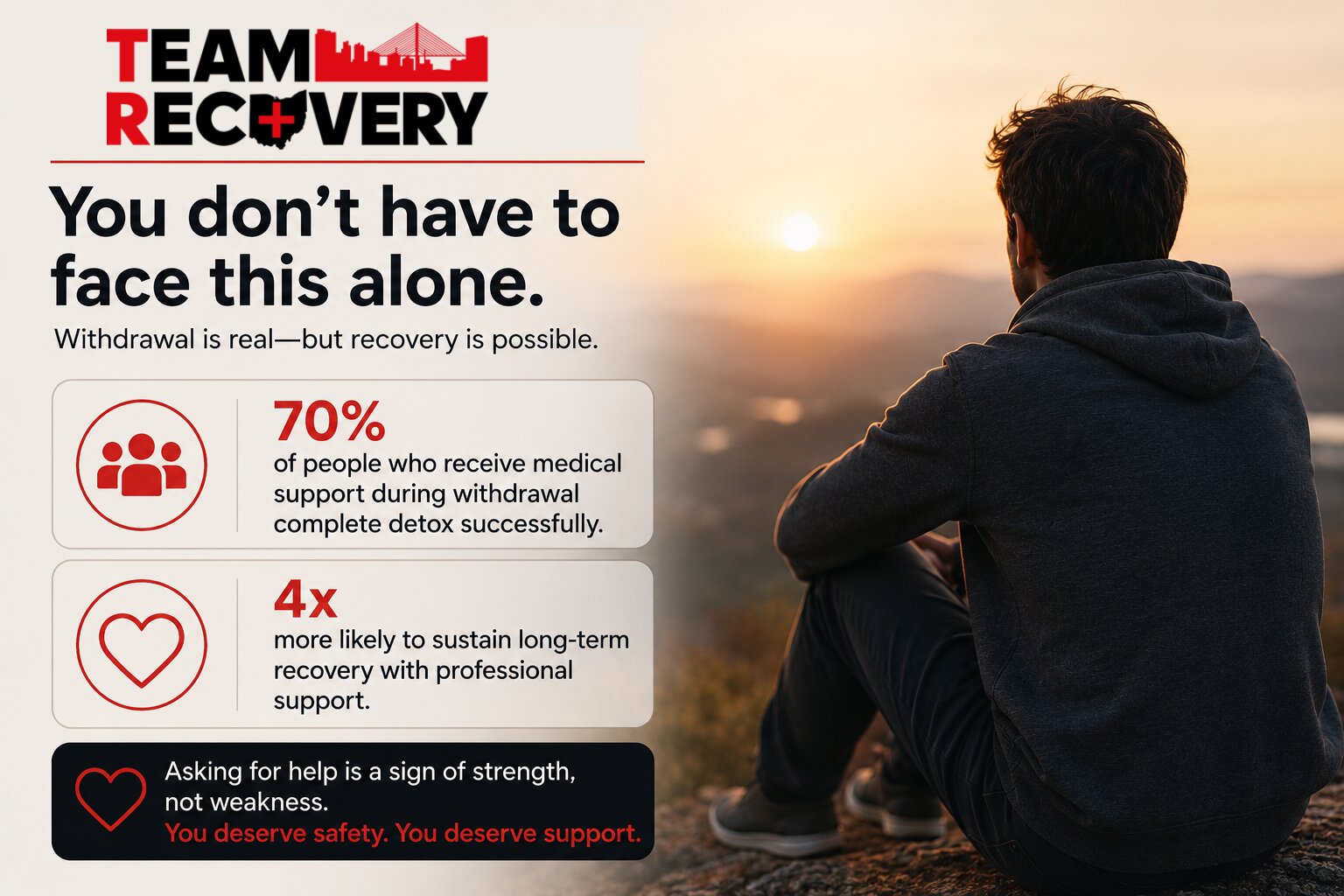
Seeking support is not a sign of weakness.
It’s a sign that you’re willing to protect your health and future.
The people who successfully change their lives aren’t necessarily the strongest people in the room.
They’re often the people willing to accept support when they need it.
That’s a very different thing.
What If I’m Still Not Sure I’m Ready?
That’s okay.
Being sober curious often means standing between two realities.
Part of you wonders whether life could improve.
Another part wonders whether change will be harder than staying the same.
You don’t need certainty to take the next step.
You only need enough curiosity to keep asking questions.
Many people who eventually found lasting recovery started exactly where you are now.
Not fully committed.
Not completely convinced.
Just willing to explore the possibility that things could get better.
Frequently Asked Questions
Is quitting cold turkey always dangerous?
No. Some people experience relatively mild symptoms. Others develop serious medical complications. The risk depends on the substance involved, usage history, and individual health factors.
Why do people compare different detox approaches?
Most people want to understand their options before making a decision. Comparing supervised detox vs cold turkey helps people evaluate safety concerns and determine whether medical support may be appropriate.
What substances can cause dangerous withdrawal symptoms?
Alcohol, benzodiazepines, and some other substances can produce potentially dangerous withdrawal symptoms. Medical evaluation is recommended whenever withdrawal risks are uncertain.
How quickly can withdrawal symptoms begin?
The timeline varies depending on the substance involved. Symptoms can begin within hours for some substances and later for others.
Can medical support make withdrawal easier?
In many cases, yes. Medical professionals can monitor symptoms, address complications, and help manage discomfort throughout the process.
What if I’ve tried to quit before and couldn’t?
That experience is more common than many people realize. Previous attempts don’t mean you’ll never succeed. They may simply indicate that additional support could be helpful.
Will I lose control if I ask for help?
No. Seeking information doesn’t lock you into treatment. It simply gives you a clearer understanding of your options.
What if I’m embarrassed about how much I’ve been using?
Treatment professionals have worked with people from all walks of life. The focus is not on judgment. The focus is on safety, health, and helping you move forward.
Is detox the same as treatment?
Not exactly. Detox focuses on managing withdrawal and physical stabilization. Many people continue with additional treatment and support afterward to build a strong foundation for recovery.
How do I know if I need professional support?
If you’re unsure, that’s often a good reason to ask. A professional assessment can help determine your level of risk and recommend the safest path forward.
The fear of withdrawal keeps many people stuck longer than they want to be. But uncertainty doesn’t have to make the decision for you.
The more you understand your options, the easier it becomes to make an informed choice about your health and future.
Call 419-314-4909 or visit our Medical Detox Program to learn more about our Medical Detox Program services in Toledo, Ohio.

